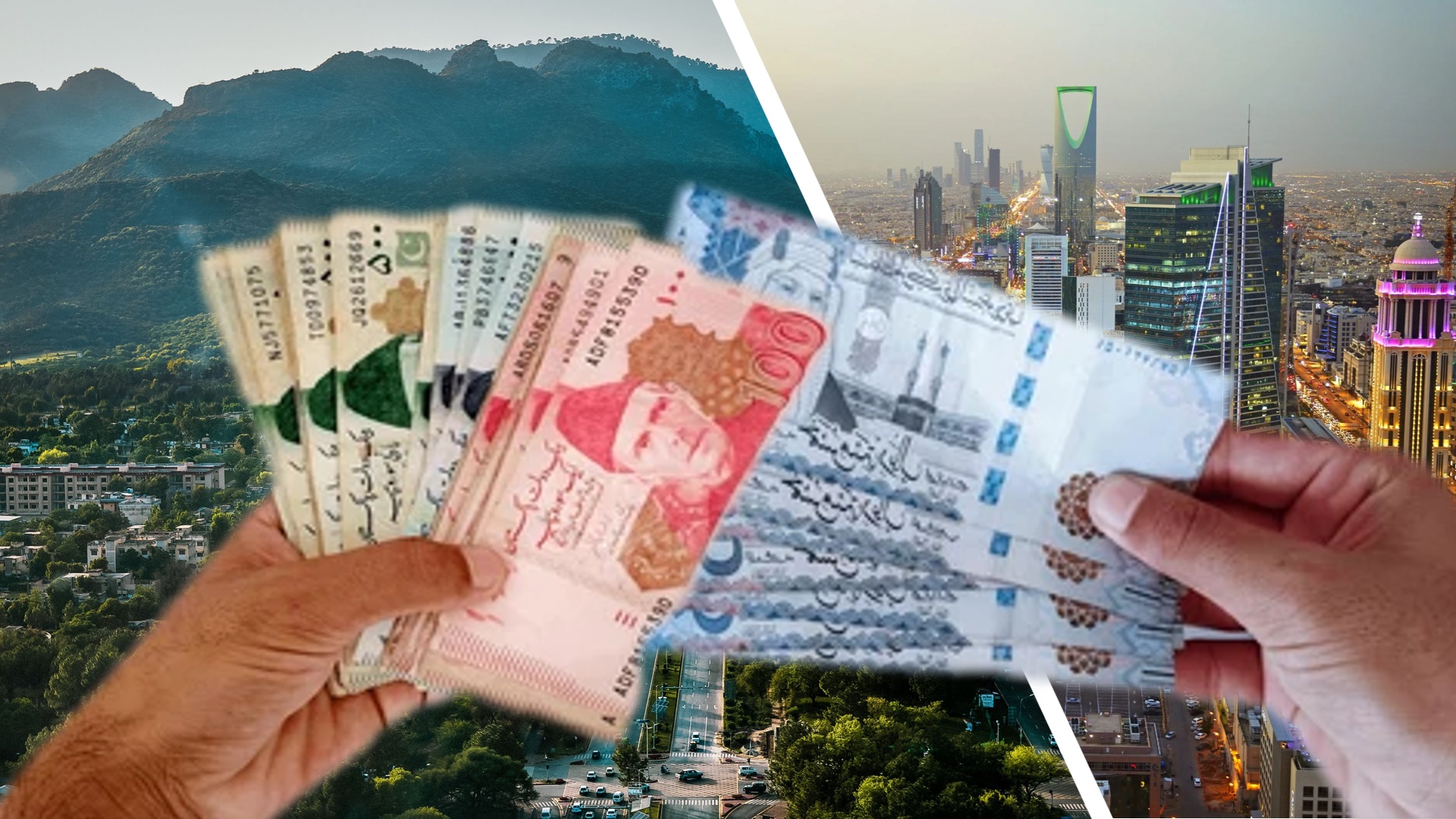
Foreign remittances, often referred to as “workers’ remittances” or “migrant transfers,” represent the non-commercial transfer of money by foreign workers, members of a diaspora community, or citizens with familial ties abroad, for household income in their home country. For a developing nation like Pakistan, these financial inflows are not merely a supplemental income source but a vital lifeline that underpins economic stability, fosters growth, and directly impacts the welfare of millions.
The following dashboard shows the workers’ ramittances to Pakistan over the years along with list of countries from where Pakistan receives it ramittances.
The significance of foreign remittances for an economy, particularly a developing one, cannot be overstated. Firstly, they act as a crucial source of foreign exchange, directly strengthening a country’s financial stability and bolstering its foreign exchange reserves. This is particularly vital for nations facing balance of payments challenges, as remittances help bridge trade deficits and reduce reliance on external borrowing, thus easing pressure on the local currency.
Secondly, remittances play a powerful role in poverty alleviation and improving living standards. A significant portion of these funds is directed towards meeting essential household needs such as food, housing, education, and healthcare. For many families, especially in rural areas, remittances constitute a substantial percentage of their total income, lifting them out of poverty and providing opportunities for upward mobility. Studies have shown that remittances have contributed significantly to reducing poverty levels in recipient households, enabling access to better education and healthcare, and enhancing overall quality of life.
Thirdly, beyond immediate consumption, remittances also stimulate domestic demand and contribute to economic development through investment and entrepreneurship. While a portion is used for daily expenses, a considerable amount is saved or invested in assets, small businesses, and income-generating activities. This injection of capital fuels local economic activity, creates employment opportunities, and supports the growth of small and medium enterprises (SMEs), fostering a more dynamic and diversified economy.
For Pakistan, the role of foreign remittances has been nothing short of pivotal. Over the past five decades, workers’ remittances have surged dramatically, becoming a consistent and substantial source of foreign exchange. They consistently contribute a significant percentage to the country’s Gross Domestic Product (GDP), often surpassing other external inflows like foreign direct investment and official development assistance. This stability makes remittances a more reliable source of funding, especially during times of economic downturns or crises when other capital flows tend to decrease.
Pakistan receives its foreign remittances from a diverse range of countries, primarily those with large Pakistani diaspora populations. The Gulf Cooperation Council (GCC) countries are consistently the top contributors, notably:
- Saudi Arabia: This is the largest source of remittances for Pakistan, owing to a substantial Pakistani workforce employed across various sectors.
- United Arab Emirates (UAE): Another major hub for Pakistani expatriates, the UAE consistently ranks among the leading sources of remittances.
Beyond the Middle East, other significant sources include:
- United Kingdom (UK): A sizable Pakistani community in the UK regularly sends remittances back home.
- United States (US): The Pakistani diaspora in the US also contributes significantly to the country’s remittance inflows.
- Other European countries: Countries like Italy have seen growing contributions from Pakistani expatriates.
The government of Pakistan, recognizing the critical importance of these inflows, has implemented various initiatives to facilitate and encourage remittances through formal channels, such as the Pakistan Remittance Initiative (PRI) and Roshan Digital Accounts (RDA). These efforts aim to streamline the remittance process, reduce transaction costs, and enhance the convenience and security of transfers, thereby curbing the use of informal channels.
In conclusion, foreign remittances are more than just financial transactions; they are a fundamental pillar of Pakistan’s economic resilience and a powerful driver of socio-economic progress. By providing a vital source of foreign exchange, alleviating poverty, improving living standards, and stimulating investment, remittances play an indispensable role in shaping Pakistan’s economic landscape and securing a brighter future for its citizens. As Pakistan continues to leverage the contributions of its overseas workforce and implement policies that support formal remittance channels, the positive impact of these financial inflows will only continue to grow.